Often neglected by political dictators as well as by urban theorists, small cities played a role in sparking the Arab uprisings in several countries. The lack of attention paid to them allowed growing unrest to go unnoticed, but also means that we still know little about the forces that allow small cities to change the course of history.
How can we reimagine a public space divided by civil war, sectarianism and redevelopment? Rather than sophisticated urban design, Tanya Gallo argues that allowing public space to retain its indeterminacy will keep it accessible for all citizens.
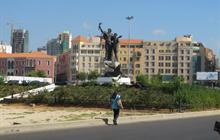
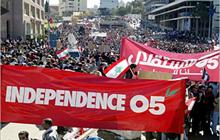
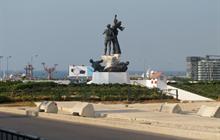
Martyrs' Square was the focal point for the 2005 demonstrations that saw Syria relinquish control of Lebanon. How do its citizens now regard this polarising space, and how should placemakers respond? Tanya Gallo investigates.
In the first of three articles, Tanya Gallo explores the capitalist redevelopment of downtown Beirut, and how it is threatening to create new segregations between the wealthy and the general public.
The Global Urbanist is an online magazine reviewing urban affairs and urban development issues in cities throughout the developed and developing world.
Its readers are drawn from the urban policy and international development sectors, and include urban planners, officers in local, national or international government agencies, civil society leaders, and researchers.