On London's dying libraries
With libraries increasingly likely to shutter their doors in the digital age, Zung Nguyen discusses the risks London faces as it emphasises public housing over other kinds of social institutions.
With libraries increasingly likely to shutter their doors in the digital age, Zung Nguyen discusses the risks London faces as it emphasises public housing over other kinds of social institutions.

Looking at the recent transformation of Williamsburg in New-York, Julia Borowicz questions the perceived authenticity of trendy post-industrial neighbourhoods. She invites us to look beyond the aesthetic, and understands what makes attractive spaces.
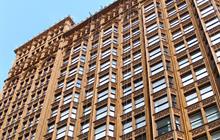
In discussing the scope and meaning of historic preservation, Gabrielle M. Peterson reminds us of how it can help solve multi-dimensional urban plight.
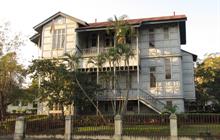
Joseph Hammond explains how the recent population explosion and sudden urban growth of Maputo has threatened the unique architectural heritage of the Mozambican capital.
Asit K. Biswas and Kris Hartley discuss how secondary cities in New Zealand might retain their relevance in a spatially imbalanced economy.
The famed warehouse site in Queens, destroyed definitively last year, highlighted precisely how we engage democratically in the creation of public space, especially those that suggest alternative ways of forming a "public".
Wrongheaded to steer young people from clubbing to less alcohol-fuelled pursuits like theatre, since this does nothing to end the culture of victimisation that remains in the clubs themselves.

Kris Hartley is an independent consultant and researcher focusing on economic policy, urban planning, and governance innovation in Asia.
Sign up here for email updates
The Global Urbanist is an online magazine reviewing urban affairs and urban development issues in cities throughout the developed and developing world.
Its readers are drawn from the urban policy and international development sectors, and include urban planners, officers in local, national or international government agencies, civil society leaders, and researchers.
