Buenos Aires has one of the smallest rates of green space per capita, and what's left is under threat of commercial development. Neighbourhood groups are leading the fight to defend them, but with so many battles to wage, might the government's divide-and-conquer strategy be winning out?
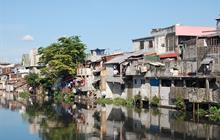
Abidemi Coker discusses how NGOs in Manila are mobilizing poor urban residents to work together in community associations so they can access land and housing.
Looking at the recent transformation of Williamsburg in New-York, Julia Borowicz questions the perceived authenticity of trendy post-industrial neighbourhoods. She invites us to look beyond the aesthetic, and understands what makes attractive spaces.
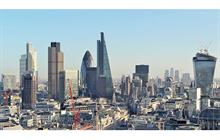
Simon Hicks charts the transformations that have taken place in London over the past 400 years against the physical backdrop of the city and considers what the emerging skyline can tell us about London today.
Two years after the introduction of Permitted Development Rights, Zoe Green argues that the policy is threatening the local creative economy in UK cities by pricing out small and medium sized enterprises.
Vishaan Chakrabarti's new book A Country of Cities: a manifesto for an urban America, celebrates the Manhattanisation of US cities as an economically rational antidote to the damaging health and environmental effects of sprawl.
The Global Urbanist is an online magazine reviewing urban affairs and urban development issues in cities throughout the developed and developing world.
Its readers are drawn from the urban policy and international development sectors, and include urban planners, officers in local, national or international government agencies, civil society leaders, and researchers.