The Global Urbanist

News and analysis of cities around the world

International

Citizenship and migration

RSS Feed

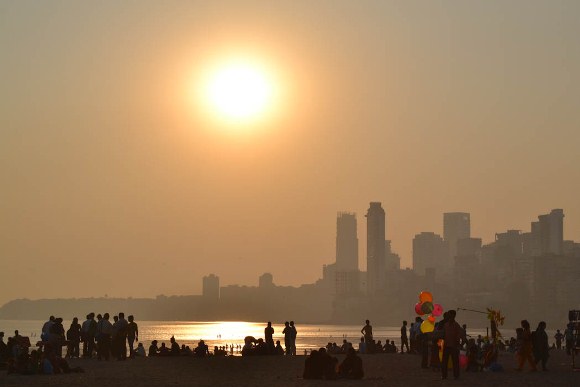
While urban poverty alleviation has long received less attention in Indian policymaking than rural poverty alleviation, simply creating urban policies that parallel rural policies won't fully solve the problem, especially when migrants and other groups fall into the cracks between the two policy regimes.

A spike in violence has followed the close of the World Cup, with many Zimbabweans returning home to escape harm. But, unlike in 2008, police were prepared to subdue violence and prevent it spreading.

From the Archives

Most Discussed

  1. Small spike in xenophobic attacks after end of World Cup
  2. Mixed views on the Blikkiesdorp relocation site in Cape Town
  3. The mega-regions of Africa in global perspective: an interview with Edgar Pieterse
  4. Reaching out to immigrants with "Red Scarf power"
  5. Urban poverty alleviation in India: softening the rural-urban divide

Related Topics

International development
How can we enforce the right to adequate housing?
Mega-regions
Four keys to urban expansion at the World Urban Forum
Housing
Neighbourhood planning brings ethnic tensions to the surface
National governance
NSIPs: Another dent in the UK's localism agenda?

Hot Cities

San Francisco-Oakland
Setting the right price for parking in San Francisco and New York
London
NSIPs: Another dent in the UK's localism agenda?
Chicago
The safety of women taxi drivers: perspectives from behind the wheel
Delhi
A day of global action for safer cities for women and girls

On Bangalore

A number of urban poverty alleviation schemes including housing, sanitation and slum upgrading programmes still principally target on the basis of reported household income, and fail to incorporate a more nuanced understanding of poverty.

Read full article

Events

Post an event
-

Jobs

Post a job

About

The Global Urbanist is an online magazine reviewing urban affairs and urban development issues in cities throughout the developed and developing world.

Its readers are drawn from the urban policy and international development sectors, and include urban planners, officers in local, national or international government agencies, civil society leaders, and researchers.

Find out more


Advertise on this site

GU