The Global Urbanist

News and analysis of cities around the world

Planning

Emergencies and reconstruction

RSS Feed

Another shack fire broke out in Cape Town's townships last month, killing one woman and affecting 1,500 residents. Andrew Fleming reports on the City's response and the attitude of residents, and reviews some recent initiatives that may alleviate the problem of shack fires in the short and long terms.

In the first of three articles, Tanya Gallo explores the capitalist redevelopment of downtown Beirut, and how it is threatening to create new segregations between the wealthy and the general public.

From the Archives

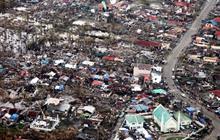
Manila slipping in plans to protect against potential 7.2 earthquake

The Philippine Institute of Volcanology and Seismology has warned that an earthquake preparedness plan it drew up with the MMDA and JICA in 2004 has not been properly implemented, leaving the city vulnerable to the possibility of an earthquake the magnitude of Haiti's.

Most Discussed

  1. How do residents rebuild after a shack fire?
  2. Post-war reconstruction sowing new divisions in Beirut
  3. Asian cities some of the worst and best places to be during a disaster
  4. Six months on, Haiti reconstruction has ground to a halt
  5. As if climate change flooding wasn't enough: preparing Dhaka for a major earthquake

Related Topics

Land
How do residents rebuild after a shack fire?
Water, waste and sanitation
RAINS: a surprisingly simple answer to Yemen's water crisis?
Housing
How do we reconcile the planner's perceptions with the slum dwellers' reality?
New cities and special projects
An urban exemplar in the Middle East

Hot Cities

Cape Town
How do residents rebuild after a shack fire?
Beirut
How can we reimagine public space in Beirut?
London
How to make global urban governance powerful?
Mumbai
Urban poverty alleviation in India: softening the rural-urban divide

Featured Author

Events

Post an event
-
-

Jobs

Post a job

About

The Global Urbanist is an online magazine reviewing urban affairs and urban development issues in cities throughout the developed and developing world.

Its readers are drawn from the urban policy and international development sectors, and include urban planners, officers in local, national or international government agencies, civil society leaders, and researchers.

Find out more


Advertise on this site

GU