Yusaf Samiullah OBE argues for the complexity of urban environments, stating that this is what international development organisations must apprehend and address if they are to improve the quality of urban livelihoods in a time of austerity amongst donor governments.
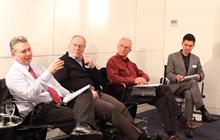
Who sets the global urban agenda? What are the world's urban priorities? What should they be? Three international experts and a roomful of readers battled out these questions and more.
The cities of the twenty-first century are too big for the old hub-and-spokes models; cities like Los Angeles, London and Sydney should be planned as tapestries, with ruthless disregard for the traditional dominance of our city centres.
A list of the world's largest urban agglomerations for 2010, following the release of UN-DESA's revised World Urbanization Prospects tabling population predictions for the world's cities.
It is important to not focus exclusively on the 'mega-city'--those with populations in excess of 10 million. The parallel development challenge is to cope with all those growing villages and small towns, which need to be connected to markets and each other.
The Global Urbanist is an online magazine reviewing urban affairs and urban development issues in cities throughout the developed and developing world.
Its readers are drawn from the urban policy and international development sectors, and include urban planners, officers in local, national or international government agencies, civil society leaders, and researchers.